
Understand vehicle recalls without the jargon.
Featured roadbook
Recall Guides
Follow a recall from defect report to completed remedy, in the order it actually happens.

Featured roadbook
VIN Terminology
Why recall records are vehicle specific, and what each part of the 17-character VIN describes.
Featured roadbook
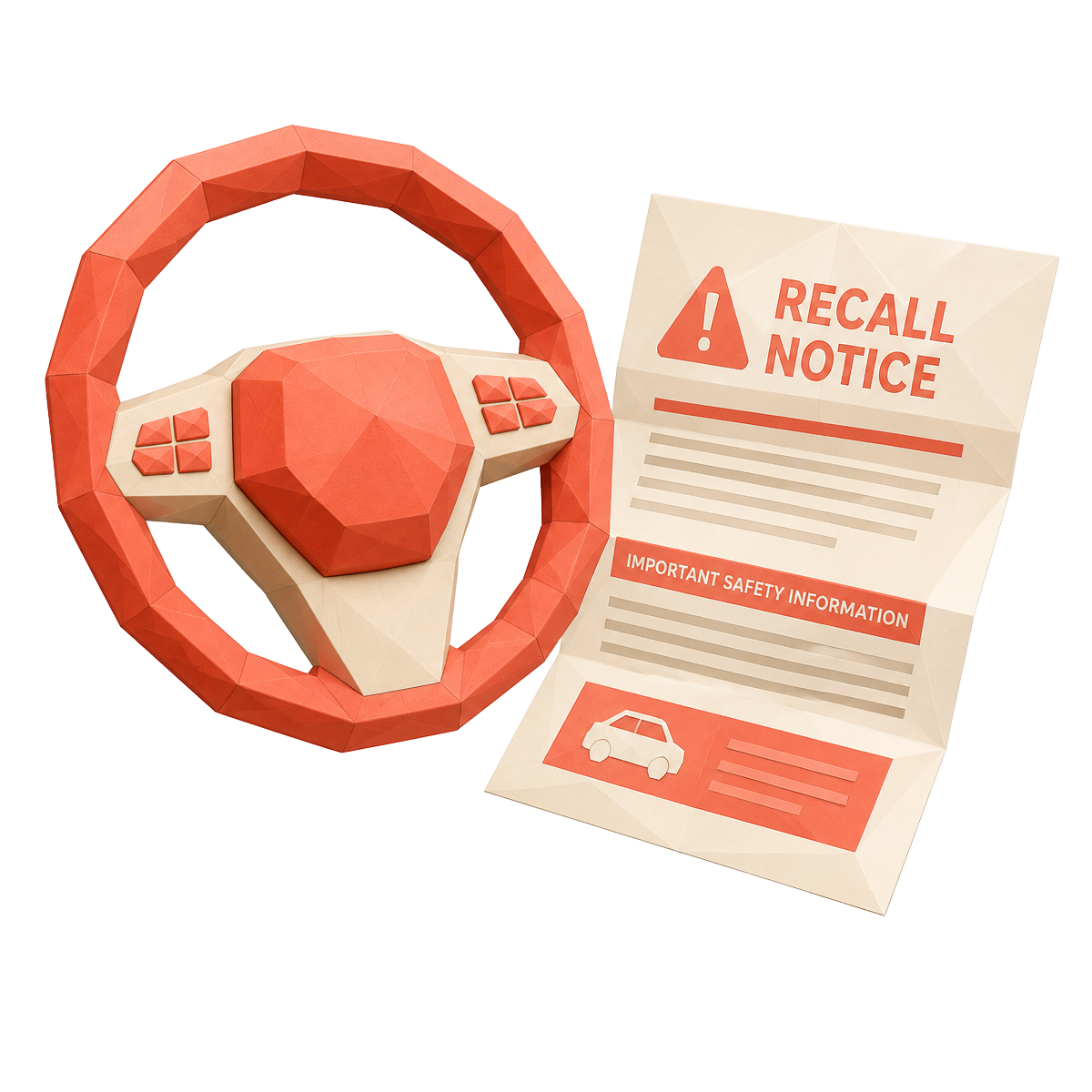
Safety Notices
The standard structure of a manufacturer letter, section by section.

Core topics
Four ideas that make recall paperwork readable
Recalls and campaigns
A safety recall and a goodwill campaign arrive in similar envelopes and mean very different things. We separate the two so you know which one you are holding.
VIN-specific records
Recall status is decided per vehicle, not per model. Understanding how the 17 characters are structured explains why two identical cars return different results.
Notice structure
Manufacturer letters follow a repeatable order: risk, affected population, remedy, and interim guidance. Once you know the order, the letter reads in two minutes.
Repair documentation
The repair order that names the campaign number is the record that matters later, whether you are selling the vehicle or confirming work was done.
Recall guides
What a recall actually is
A defect report, an owner notification, and a remedy provided at no charge. We explain each stage and who is responsible for it.
Recall guides
Recall or service campaign
Safety recalls and goodwill campaigns look alike on paper. Knowing the difference changes what you can expect at the service desk.
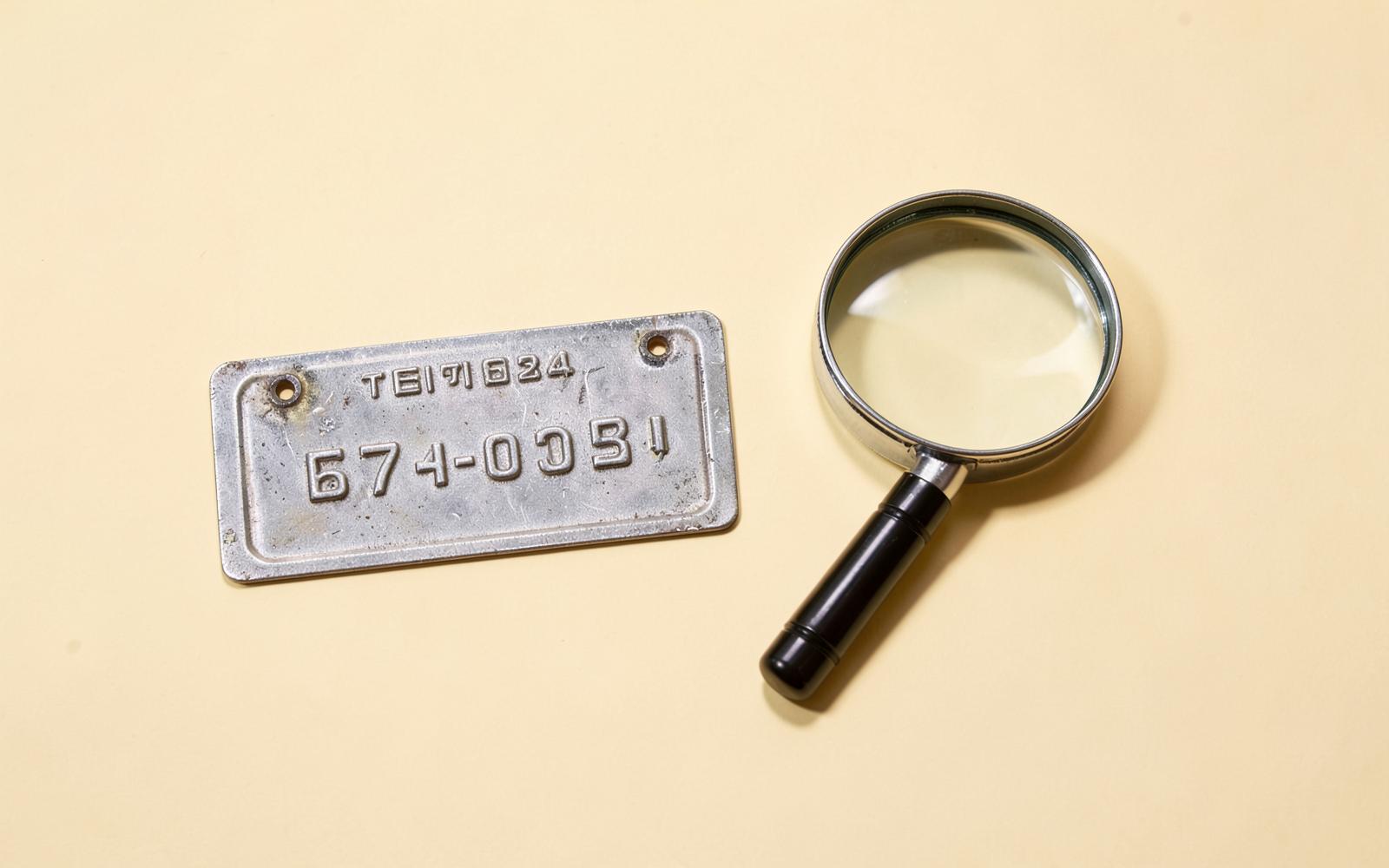
VIN terminology
Where the VIN lives
Windshield corner, driver door jamb, registration, and insurance documents — four places to confirm the same 17 characters.
VIN terminology
Why lookups disagree
Campaigns often cover narrow build ranges, so two similar vehicles can return entirely different results.
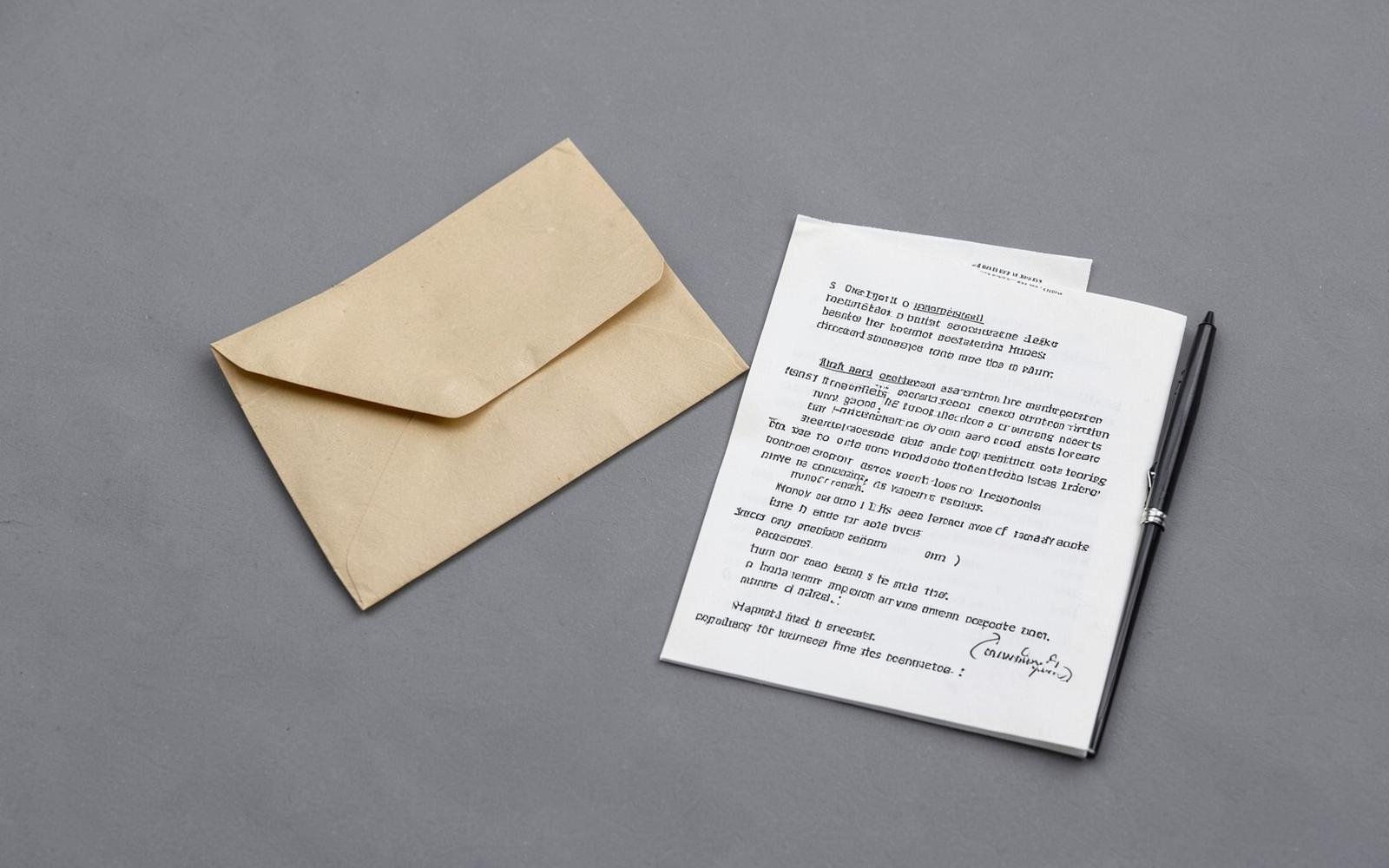
Safety notices
Reading the risk statement
The opening section describes the defect and the consequence. It is the part of the letter most worth reading carefully.
Safety notices
Spotting a legitimate notice
Genuine notices reference a campaign number, come from the manufacturer or dealer, and never ask for payment.
Owner checklists
Short lists for each stage
When a notice arrives
Confirm the campaign number, check that the VIN matches your vehicle, and note any interim safety guidance before booking anything.
Before the appointment
Confirm parts availability, ask how long the vehicle will be held, and bring the notice with you.
After the work
Collect the repair order, verify the campaign number appears on it, and store it with your vehicle records.

How it works
Three steps, and the paperwork stops being intimidating
01
Read the roadbook
Start with the topic that matches the document in front of you: a letter, a VIN question, or a repair appointment.
02
Check with the source
Take your VIN to the manufacturer or an authorised dealer. Official recall status always comes from them, never from a guide.
03
Keep the paperwork
File the notice and the completed repair order together so the vehicle's history stays provable.
FAQ
Questions we answer often
Is Recall Roadbook affiliated with a manufacturer or government agency?
No. Recall Roadbook is an independent publisher of general guidance. It does not perform repairs, issue notices, or hold official recall records.
Can you tell me whether my car has an open recall?
No. Recall status is vehicle specific and must be confirmed with the manufacturer or an authorised dealer using your VIN.
Do I have to subscribe to text messages to use the site?
No. Every page is free to read. Text messages are optional, each option has its own consent box, and neither is pre-selected.
How do I stop text messages?
Reply STOP to cancel messages for that program, or reply HELP for program and contact information. You can also email us.
Keep the roadbooks close, on your terms
Text updates are optional, each option has its own consent, and you can reply STOP at any time.